
 By Henry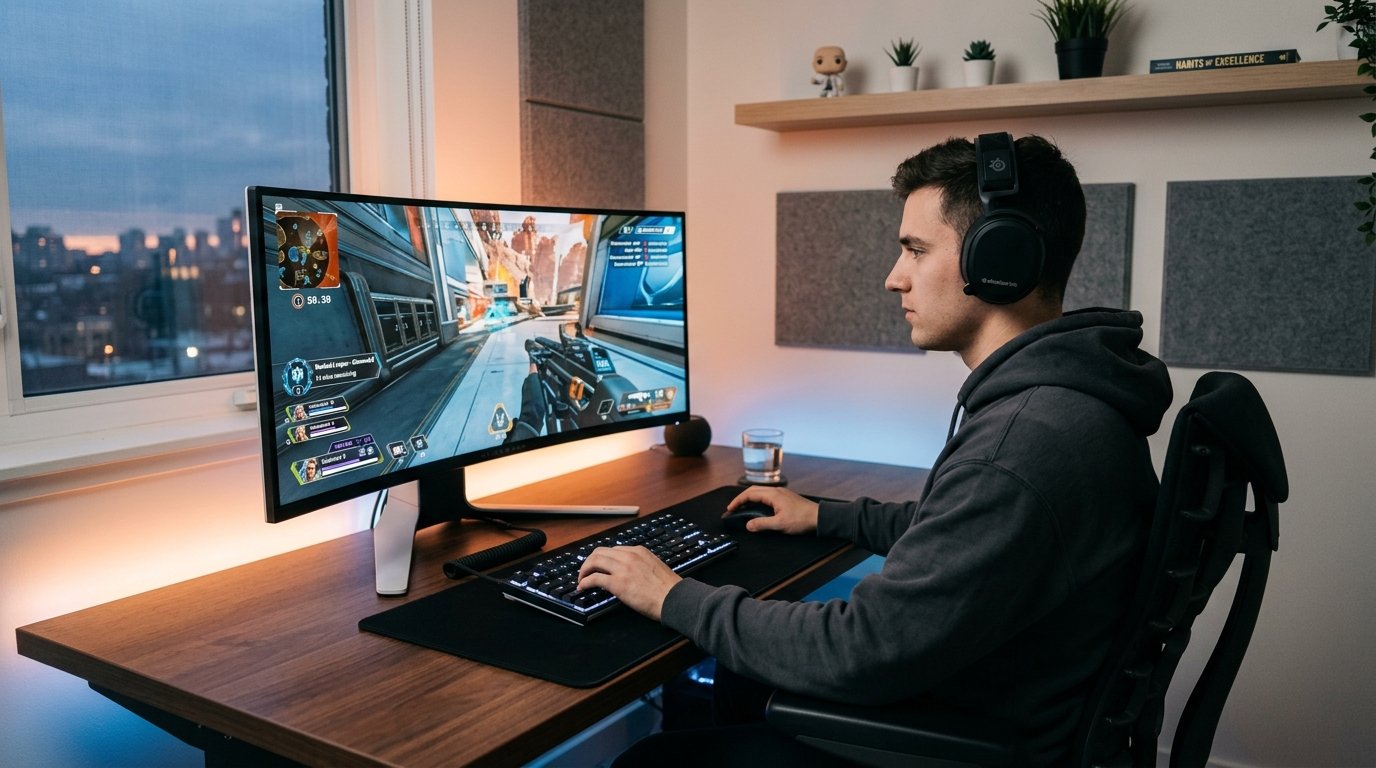
You queue up for another ranked session, heart racing as the lobby loads. Wins lift you for a moment, yet losses drag you back down, and that familiar question creeps in: why do some players keep climbing while others plateau no matter how many hours they invest? The difference rarely comes down to natural talent alone. It comes down to becoming a gamer challenger.
A gamer challenger treats competitive gaming like a serious craft. They study their own gameplay with the same care a chess master reviews old matches. They build mechanical precision through targeted drills instead of mindless queueing. They protect their focus and body so long sessions do not break them. This guide gives you the exact mental shifts, skill habits, physical routines, and hardware choices that turn dedicated players into top-tier competitors across titles like Valorant, League of Legends, CS2, and other deep ranked systems.
If you have ever wondered how to become a gamer challenger, the path starts here. It is practical, repeatable, and available to anyone willing to trade scattered grinding for structured growth.
What Makes Someone a Gamer Challenger
Most players in ranked matchmaking sit somewhere between casual and serious. They play to unwind or chase the next rank badge, yet they treat improvement as something that happens automatically with time. A gamer challenger operates differently. They enter every session with clear intent. They review losses instead of blaming teammates. They adjust their approach based on data and self-observation rather than gut feelings alone.
The esports ecosystem rewards this mindset. In any healthy ranked system, the top tiers represent a tiny slice of the player base. Those players did not simply play more games. They played with purpose. They separated mechanical execution from decision-making and trained both deliberately. They understood that game sense grows faster when you watch your own replays and compare them to high-level examples.
Think of it like learning an instrument. Casual players strum chords and hope songs come together. Serious musicians isolate scales, record themselves, fix weak spots, and repeat. The same principle applies here. When you shift from “playing ranked” to “training for ranked,” everything changes.
The Gamer Challenger Mindset Shift
Mindset forms the foundation. Without it, mechanical practice and VOD review lose their power. The first change involves how you view losses. A casual player sees a loss as failure or bad luck. A gamer challenger sees it as data. They ask what decision or habit created the opening for the opponent. They note it, then move on.
Tilt management sits at the center of this shift. Tilt does not only appear as raging in chat. It shows up as rushed decisions, tunnel vision on one playstyle, or skipping warm-ups after a bad game. Top competitors use simple resets. They stand up between games, take five deep breaths, or write one sentence about what they learned before queuing again. These micro-habits keep emotions from hijacking performance during long sessions.
Another key piece is separating ego from improvement. Many players protect their self-image by saying “I would have won if my team played better.” A gamer challenger asks what they could have done differently even in losing games. This honest lens accelerates growth because it keeps the focus on controllable factors.
Game sense expands when you adopt this mindset. You stop reacting only to what is happening on screen and start anticipating patterns. You notice when an opponent overextends in the same way across multiple rounds. You predict rotations because you have studied how the current gaming meta tends to unfold at your rank. That awareness turns mechanical skill into consistent wins.
Building Mechanical Skills with Deliberate Practice
Raw mechanics matter, yet hours spent in deathmatch or aim trainers do not automatically create elite consistency. Deliberate practice requires focus on specific weaknesses with immediate feedback. Instead of warming up by running around and shooting bots, you set a narrow goal. Maybe you train only micro-adjustments for headshots at varying distances. Or you drill counter-strafing until the movement feels automatic.
Many players benefit from short, high-quality sessions rather than marathon aim grinds. Twenty focused minutes on one mechanic often beats an unfocused hour. Track what you practiced and how it felt. Over weeks those small gains compound into noticeable rank movement.
In tactical titles, mechanical skill also includes utility usage and positioning under pressure. Practice lineups or peeks in custom games until they require almost no conscious thought. Then bring them into ranked play and review how often you actually used them effectively. This loop turns isolated drills into real competitive tools.
Remember that mechanics without game sense create flashy moments that rarely win series. The gamer challenger balances both. They train aim because it enables better decisions, not as an end in itself.
Developing Game Sense and Tactical Depth
Game sense separates good mechanical players from players who actually climb. It grows through two main channels: playing with intent and studying material outside of matches.
VOD review stands out as the highest-leverage habit most players underuse. After a session, pick two or three games, preferably losses or close wins. Watch from your own perspective first. Pause at key moments and ask what information you had and what you chose to do with it. Then watch from the enemy perspective or a teammate’s view if available. You will spot information you missed in the heat of the moment.
Supplement your own reviews by studying high-level play. Watch how professional players or top-ranked solo queue players handle the same situations you struggle with. Notice their positioning, timing, and economy choices. Do not copy blindly. Understand why a certain play works in that context, then test small adaptations in your own games.
Stay aware of the current gaming meta without becoming obsessed by it. Patches shift priorities, yet core principles like map control, resource management, and information denial remain stable. A gamer challenger updates their habits when the meta changes instead of clinging to old patterns.
Physical Conditioning That Supports Long-Term Performance
Competitive play taxes the body in ways many players ignore until pain or fatigue appears. Neck and shoulder tension from poor posture, wrist strain from repetitive motions, and mental fog from inconsistent sleep all cap your ceiling.
Simple daily habits create outsized returns. Stand and move for a few minutes every hour. Perform quick wrist and finger stretches before long sessions. Keep water nearby and sip regularly. Many players also add short cardio sessions a few times per week. Better blood flow supports sustained focus during best-of series or marathon ranked grinds.
Sleep deserves special attention. One poor night can erase the gains from several days of practice. Aim for consistent bedtimes even on weekends. Your brain consolidates motor patterns and decision-making frameworks during deep sleep. Skimping on rest turns training time into wasted effort.
Eye health matters too. Follow the 20-20-20 rule during breaks and consider proper lighting and screen distance. A high-refresh-rate monitor reduces eye strain while giving clearer visual information, yet it only helps if the rest of your setup supports good posture and comfort.
Setting Up Hardware and Environment for Consistent Results
Hardware will not carry you to elite ranks, yet poor hardware creates unnecessary friction. A high-refresh-rate monitor (240Hz or higher) paired with a stable frame rate makes tracking and flicking feel smoother. Low-latency peripherals reduce the gap between intention and action on screen.
More important than any single item is consistency. Use the same setup every session so your muscle memory stays reliable. Adjust chair height and monitor distance so your eyes sit at a comfortable level and your wrists stay neutral. Good lighting prevents headaches during evening sessions.
Create a dedicated space if possible. Even a small corner that signals “this is training time” helps your brain switch into focus mode faster. Remove obvious distractions before you queue. The environment should support the mindset you are building rather than fight against it.
Your Practical Gamer Challenger Training Routine
Theory only helps when it becomes daily action. Here is a realistic framework you can adapt to your schedule and game of choice.
Start each session with a short warm-up block. Ten to twenty minutes of targeted mechanical work keeps your hands and eyes ready. Follow that with two to four focused ranked games. Between games, take at least two minutes to reset mentally. After the session, spend fifteen to twenty minutes on VOD review. Pick one or two games and note three specific things you will adjust next time.
On days off from ranked, invest in deeper review or custom game practice. Once a week, block time for a longer self-audit. Look at trends across the past seven to ten days. Are you dying in the same situations repeatedly? Is your decision speed improving or staying flat? Adjust the next week’s focus based on what the data shows.
Build physical movement into non-gaming hours. Even a twenty-minute walk or quick bodyweight circuit supports recovery and mental clarity. Protect your sleep window like it is part of the training plan, because it is.
Track progress beyond rank. Keep simple notes on decision quality, emotional control, and how often you executed your planned adjustments. Rank will follow when these underlying factors improve.
Breaking Through Plateaus and Staying Consistent
Every player hits plateaus. The difference is how they respond. When progress stalls, most people add more games or copy whatever the current top players are doing. A gamer challenger steps back and audits the fundamentals again. They check warm-up quality, review habits, sleep consistency, and whether they are still training their actual weaknesses or just repeating comfortable drills.
Common traps include skipping reviews after wins, queuing while tilted, and changing setups or playstyles too often. Stability beats constant experimentation. Give a focused routine at least two to three weeks before judging its impact.
Another trap is isolation. Many strong players benefit from occasional coaching or a small group of serious practice partners. External feedback reveals blind spots faster than solo review alone. You do not need a full team. Even one or two people who take the game seriously can accelerate your growth.
Your Next Steps Toward Elite Competitive Play
You now have the full picture. The gamer challenger path combines honest self-review, deliberate mechanical work, expanding game sense, physical care, and a stable environment. None of these elements require special genetics or expensive gear. They require consistent application over weeks and months.
Pick one area to strengthen first. Maybe you start with structured VOD review after every session. Or you commit to a short daily warm-up and better sleep. Small, steady changes beat dramatic overhauls that last three days.
The players who reach the highest ranks are not mysterious talents who appeared overnight. They are people who decided their improvement deserved the same attention they gave to winning individual games. You can make that same decision starting today.
What will you try first in your next session?
FAQs
What exactly defines a gamer challenger?
A gamer challenger is a player who approaches competitive gaming with the structure and intentionality of a serious competitor. They combine deliberate practice, regular self-review, strong mental habits, and physical care to push past plateaus that hold most ranked players back.
How long does it take to become a gamer challenger?
Timeline varies by starting point and consistency. Players who already have decent mechanics and add focused VOD review plus daily warm-ups often see clear rank movement within four to eight weeks. The deeper mindset and game sense shifts usually solidify over three to six months of steady work.
Which games are best for developing gamer challenger habits?
Titles with transparent ranked systems, high skill ceilings, and strong replay tools work especially well. Valorant, League of Legends, CS2, and similar competitive games reward the combination of mechanics and decision-making that this approach builds.
Do I need expensive hardware to become a gamer challenger?
No. A stable setup with decent input latency and a monitor above 144Hz helps, yet many players reach high ranks on modest gear. Prioritize consistency and comfort over chasing the newest equipment.
How important is physical fitness for competitive gaming?
Very important for long-term performance. Good posture, wrist mobility, basic cardio, and consistent sleep directly support focus, reduce injury risk, and improve recovery between sessions. Neglecting the body eventually limits how much quality practice you can handle.
What is the single highest-leverage habit for most players?
Regular VOD review of your own games stands out. It costs nothing, reveals patterns no amount of playing will show you, and accelerates both mechanical and tactical growth faster than almost any other activity.
How do I stay motivated when progress feels slow?
Track leading indicators instead of only rank. Note improvements in warm-up scores, fewer tilt-induced mistakes, or better execution of specific strategies. These small wins compound and keep motivation alive even during rank plateaus.