 By Henry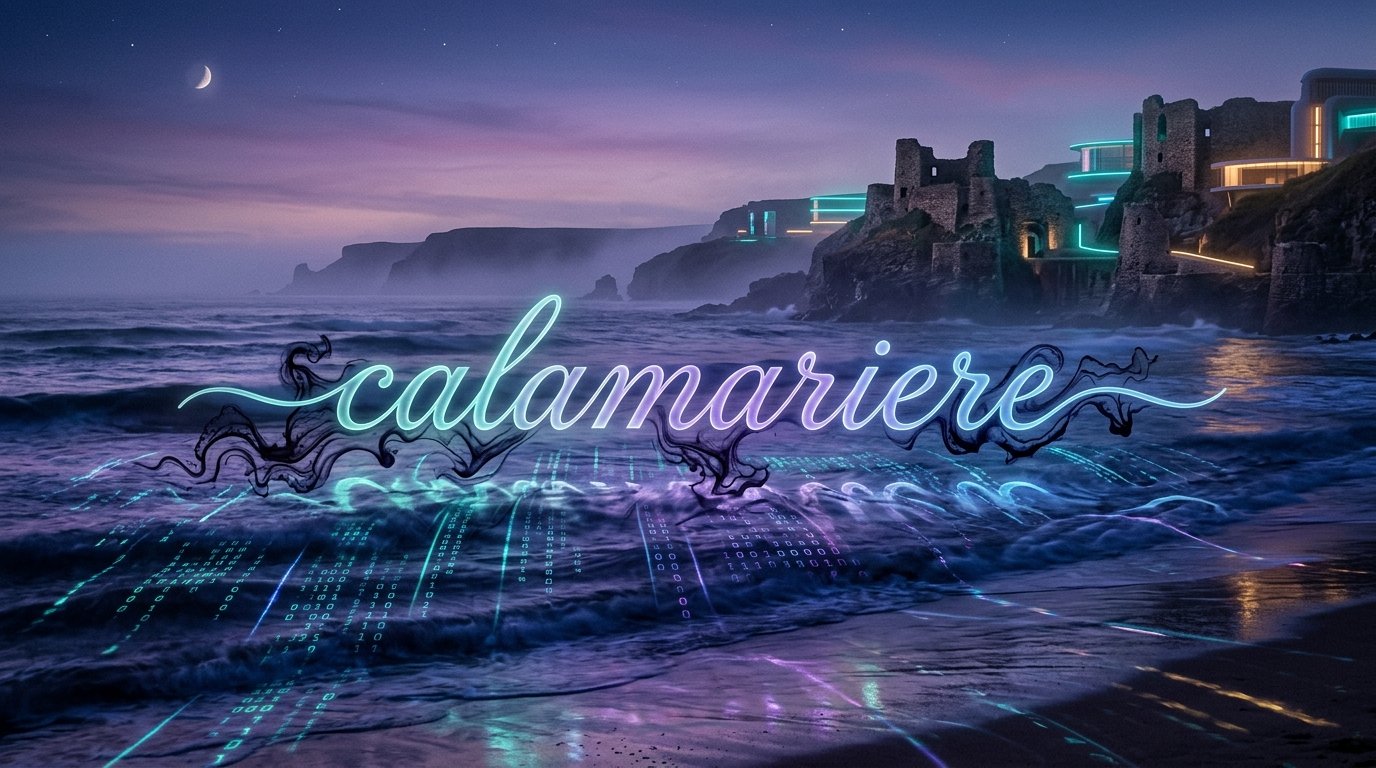
Have you ever come across a word online that just stops you in your tracks? It sounds elegant, a little mysterious, and somehow feels like it belongs in a high-end brand manifesto or the caption of an artsy Instagram post. That is exactly what happened with calamariere. Suddenly it is popping up in niche corners of the internet, from creative agency mood boards to luxury fashion discussions. But what is the meaning of calamariere, really? And why are so many digital marketers, brand strategists, and internet culture enthusiasts paying attention?
In this guide we will unpack the story behind calamariere as a perfect case study in modern brand naming. We will explore how people are intentionally inventing abstract words like this one to build entire aesthetic worlds, boost search engine discoverability, and create that elusive “ownable” identity in a noisy digital landscape. Think of it as your friendly masterclass on linguistic evolution meets avant-garde marketing. No stuffy textbook stuff here, just real talk with practical insights you can actually use.
What Exactly Is Calamariere?
At its core, calamariere is an invented digital term with no fixed entry in traditional dictionaries. It draws from “calamari,” the Italian word for squid, and adds a sophisticated French-inspired suffix that evokes expertise or artistry, like “boulangerie” or “atelier.” The result feels refined and open-ended, almost like a blank canvas ready for interpretation.
Some early online conversations playfully link it to a refined approach to squid preparation in Mediterranean cuisine. Others treat it as pure internet slang for something slippery, creative, or hard to define, much like how the creature itself moves through water. But the real power lies beyond any single definition. Calamariere functions as a linguistic artifact, a made-up word that creators and brands are shaping in real time to signal exclusivity and forward-thinking vibes.
This is not unusual in today’s world. Remember how “cottagecore” or “dark academia” went from niche Tumblr aesthetics to full-blown cultural movements? Calamariere operates in the same lane, but with an extra layer of phonetic polish that makes it feel premium rather than playful. It invites people to project their own meanings onto it, whether that is nautical elegance, artistic depth, or a sleek digital identity.
Breaking Down the Phonetic Sophistication of Calamariere
Words are not just carriers of meaning; they are sounds that trigger emotions before your brain even processes the definition. Calamariere nails this on every level. The soft “cal” opening rolls gently off the tongue, followed by the liquid “m” and “a” sounds that feel fluid and oceanic. Then the ending “-iere” adds that unmistakable touch of European refinement, the kind you hear in luxury fashion houses or high-end tech product names.
Compare it to how brands like “Chanel” or “Dior” use elegant phonetics to signal sophistication. Or look at modern tech startups that skip descriptive names entirely and opt for something abstract and memorable, such as “Notion” or “Figma.” Phonetic appeal in luxury fashion names works because it creates an instant premium perception. You do not need to know the literal translation; you feel the vibe.
A common misconception is that great brand names must describe the product or service directly. In reality, the most successful abstract naming strategies do the opposite. They leave room for storytelling. Calamariere achieves this by sounding established even though it is brand new. That blend of familiarity (calamari) and novelty (-iere) gives it an approachable yet elevated quality, perfect for everything from a creative collective’s name to a limited-edition streetwear drop.
Calamariere and the Evolution of Internet Culture
Internet culture thrives on rapid language invention. Memes, TikTok trends, and Discord communities spit out new terminology faster than dictionaries can keep up. Calamariere fits right into this ecosystem as digital terminology that feels simultaneously ancient and futuristic. Its squid-inspired roots lend themselves beautifully to themes of fluidity, ink (think calligraphy or tattoo aesthetics), and mystery, elements that resonate deeply with dark academia enthusiasts who love scholarly vibes mixed with a touch of the occult or the oceanic.
Picture this: a fashion campaign featuring flowing silks printed with subtle tentacle motifs, paired with the single word “calamariere” in elegant serif typography. Or a tech startup using it as shorthand for adaptive, shape-shifting digital experiences that “slip through” traditional boundaries. The term’s vagueness becomes its strength. In online aesthetics, ambiguity sparks curiosity and conversation, two things algorithms love.
This mirrors broader linguistic evolution in the digital age. We have moved away from literal names toward evocative ones that build community. People do not just buy products anymore; they buy into identities. A word like calamariere lets early adopters feel like insiders, sharing theories about its origins while the brand quietly scales behind the scenes.
The Rise of Abstract Naming Strategies in Brand Architecture
Traditional brand architecture used to rely on straightforward descriptors: “Speedy Delivery Service” or “Luxury Handbags Inc.” Today’s winners play a different game. They invent words that become their own universe. Why? Because unique terms offer unbeatable advantages in crowded markets.
First, search engine discoverability skyrockets. When you coin a term like calamariere, you essentially own the top search results from day one. No competing with decades of established content. Second, it creates instant boutique brand identity. The name itself becomes part of the story, signaling creativity and confidence.
Look at real-world parallels. Luxury fashion houses have long mastered this. Think of how “Vetements” (French for “clothes”) took a generic word and turned it into a cultural phenomenon through context and attitude. Or consider how startups like “Airbnb” or “Spotify” crafted names that feel global and ownable. Calamariere takes this further into pure abstraction, making it ideal for creative collectives, digital-first labels, or even personal branding for influencers in avant-garde spaces.
Businesses invent words like calamariere for a simple reason: in an attention economy, standing out beats blending in. Abstract naming strategies reduce legal headaches too, since you are not stepping on existing trademarks as easily. Plus, they scale beautifully across cultures without carrying unwanted baggage from any single language.
Here is a quick comparison to illustrate the shift:
| Approach | Traditional Naming | Abstract Naming (like calamariere) | Key Advantage |
|---|---|---|---|
| Search Visibility | High competition | Near-zero competition at launch | Faster ranking |
| Emotional Appeal | Descriptive and literal | Evocative and open to interpretation | Stronger storytelling |
| Ownability | Easy to copy | Highly protectable | Long-term brand equity |
| Cultural Fit | Works for functional products | Excels in lifestyle and aesthetic brands | Deeper community connection |
The table above shows why forward-thinking teams are shifting toward invented terminology. It is not just trendy; it is strategic.
How to Use Calamariere in Branding (and Create Your Own)
So how exactly can you apply this to your own work? Whether you are a digital marketer launching a new client project or a creative professional building your personal brand, calamariere offers a blueprint.
Start by treating the word as a mood rather than a definition. For a luxury fashion line, it could represent fluid silhouettes inspired by marine movement. For a tech startup, it might symbolize adaptive AI that “wriggles” through complex data. The beauty lies in the flexibility.
Practical steps for creating your own invented terms:
- Blend familiar roots with unexpected suffixes (calamari + iere works because it feels natural yet fresh).
- Test phonetic flow by saying it out loud in different contexts. Does it sound good whispered in a gallery or shouted in a product launch?
- Check domain and social handle availability early. Unique words give you the best shot at clean URLs.
- Seed it in small communities first. Share mood boards, short stories, or visual experiments using the term to spark organic adoption.
- Monitor and evolve. Let your audience add layers of meaning while you guide the core narrative.
This approach works especially well for avant-garde marketing because it turns customers into co-creators. They debate the meaning, create fan content, and essentially do your branding work for you.
Why Businesses Are Ditching Traditional Language Altogether
The move toward abstract naming reflects deeper changes in consumer behavior. People crave authenticity and novelty in equal measure. A word that feels discovered rather than manufactured wins trust faster than a generic slogan. In digital culture, where everything moves at lightning speed, a term like calamariere cuts through the noise by being memorable and shareable.
It also future-proofs your brand. As algorithms reward fresh, original content, owning a unique linguistic corner gives you endless material for blogs, social campaigns, and SEO content without sounding salesy. You are not just selling a product; you are inviting people into a world you named yourself.
5 Practical Tips for Building an Avant-Garde Identity with Unique Words
Ready to experiment? Here are actionable takeaways you can start using today:
- Audit your current naming. If your brand feels too literal, brainstorm three abstract alternatives and test them with your audience.
- Pair the word with strong visuals. Calamariere paired with inky textures, flowing fabrics, or glitch-art digital elements creates instant recognition.
- Leverage long-tail searches. Create content around questions like “how to use calamariere in branding” to capture curious searchers.
- Build a micro-community. Launch a private Discord or newsletter where members explore the concept together before going public.
- Track cultural ripple effects. Watch how similar terms spread on platforms like TikTok or X to time your own launches perfectly.
These small moves compound into major brand differentiation.
In the end, calamariere is more than just a curious word floating around the internet. It represents a larger shift in how we communicate value, build identities, and shape culture in the digital era. By understanding its mechanics, you gain a powerful tool for standing out with intention rather than luck.
What is your take? Have you spotted other invented terms carving out their own spaces online? Drop your thoughts in the comments. The next big aesthetic might start with a single word you coin yourself.
You May Also Like: Holisticke Habits: Transform Your Mind and Body Naturally
FAQs
What is the meaning of calamariere?
Calamariere is a modern invented term blending “calamari” with an elegant suffix to evoke sophistication and fluidity. It has no single official definition and instead serves as a flexible concept for branding, aesthetics, and digital storytelling.
How to use calamariere in branding?
Use it as a core identity element for fashion lines, creative agencies, or tech products that want to signal mystery and premium appeal. Pair it with visuals that reinforce themes of movement, depth, and innovation to build instant recognition.
Are there other examples of invented digital terminology definitions?
Yes. Terms like “cottagecore,” “goblincore,” and even platform-specific slang show how internet culture creates language that evolves into full aesthetics or brand identities.
Why do businesses invent words like calamariere?
To gain search engine dominance, create emotional distance from competitors, and foster deeper storytelling. Abstract names become ownable assets that grow with the brand rather than limiting it.
What makes phonetic appeal important in luxury fashion names?
Sounds influence perception instantly. Elegant, flowing phonetics like those in calamariere create feelings of luxury and refinement before the audience even understands the meaning.
Can calamariere help with search engine discoverability?
Absolutely. Because it is unique and low-competition, content built around the term can rank quickly and establish authority in niche spaces.
Is calamariere tied to any specific aesthetic?
It naturally aligns with dark academia, nautical avant-garde, or fluid digital futurism, but its open nature lets creators adapt it to almost any sophisticated subculture.